

What makes a good brand?
Bottom-line:
Simplicity and consistency. If your logo was created in Microsoft Word and contains clipart, call 911. No… wait, call us and we’ll tell you if it’s an emergency (please don’t actually call 911).
Whether you’re a start-up or a dominant force within your industry, there are a few things to consider when looking at your brand:
Are your name, tagline and domain (website address) actually reflective of who you are and what you do? You’d be surprised how often this is not the case. How many different versions of your logo are hanging out there? If you use multiple agencies, vendors, etc. chances are your brand has been altered, tweaked and slapped around more times than you can count. The solution? Set brand guidelines and prepare for all these possible scenarios ahead of time. Make sure you have vector artwork (no pixels… you can blow it up as big as you’ll ever need and it will still look high resolution) create in different formats, reverse colours, one colour, assign font-families, etc. Do it right and don’t let anyone mess with your brand.
Where does strategy come into play?
Bottom-line:
From the beginning, until the end of time.
Cue the over-protective parent. You need to know where your brand is and what it’s doing (good or bad) at all times. What kind of trouble can my brand possibly get into, you ask? Abandoned websites and social pages, comments left unanswered, digital or traditional advertisements with no metrics or measurements of success… these are just some of the ways your brand can be lead astray.
Having a solid strategy in place will cost you money, save you money and make you money.
Set a budget, determine your goals and the best way to reach those goals.
Plan it out and don’t be afraid to try something new if it has the potential to be a success.
Review the response / data and figure out what went right or wrong and go from there.
If you can measure it, you can manage it!



 I love my work like I love summer. Why not? Summer is when I get to play my favorite sport—golf! Playing artist is a lot like playing golf. You need to be calm and cool under pressure if you ever hope to keep the ball in play; that’s rare for an artist. My best shots happen when I talk less and concentrate more; that’s not so rare for an artist.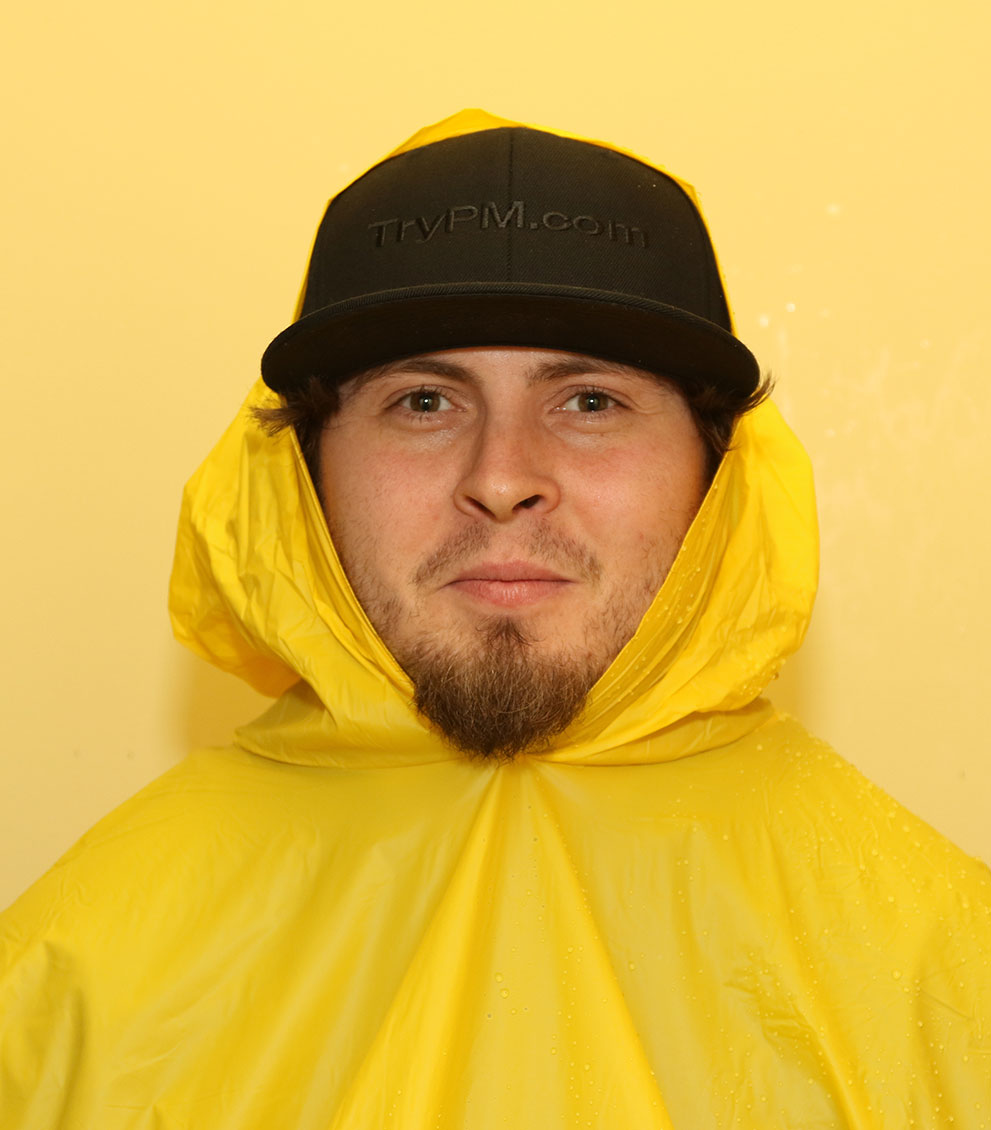
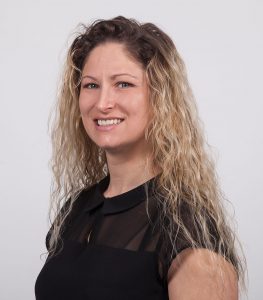 I’m definitely a country girl. I didn’t grow up in an actual town, village or hamlet. It was more like the middle of somewhere along Highway 28, surrounded by trees. Many thanks goes to my high school art teacher, Mr. Edwards, for inspiring me to choose this career path. With the realization that I actually could create art for a living, college lured me away from country life to the big city. Kitchener, to be exact, to study Graphic Design & Advertising at Conestoga College. Talk about beginning an adventure and a culture shock! Not staring at people with purple, green or some other wildly coloured hair was a bit of a challenge. City buses (lol thinking back), who knew they only stopped on the same side of the street as the bus stop sign!? Lesson learnt.
 To say the apple doesn’t fall far from the tree would be an understatement in my family; at least when it comes to picking a career path. There isn’t a person in my immediate family that hasn’t at some point or another worked in the IT field. I guess there’s something in our DNA that pulls us towards computers.
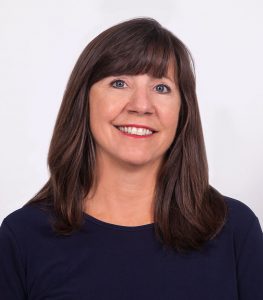 I am the 8th of 9 children raised in Essex County outside of Windsor, Ontario. We lived on a gravel road, no sidewalks and our greatest adventures were in our own backyard. I still have friends I made in grade 1 and continue to stay in touch today. After graduating from the University of Windsor with a Bachelor of Commerce degree, I moved to the big city of Toronto and have worked most of my career in the printing industry. I got to know the folks at Palmer Marketing as a key supplier to them for over a decade.
 I started Palmer Marketing at age 34 in January of 1988. I had 2 kids in diapers and a crazy idea about running my own company. I came from an entrepreneurial family and had no good reason to believe it wasn’t possible and as it happens, it was.