Your full service advertising agency since 1988
Link+ (Website)
 I’ve always been interested in the environment; weather, animals, the science behind things, pretty much everything that makes up our planet. I always thought storm chasers had the best job! I’ve also been fortunate to have travelled to over 20 different countries, with many unique experiences.
Acadia University had a solid Environmental Science program, so I went there for my B.Sc. Afterwards, I got involved in helping long haul trucking companies reduce their fuel consumption and costs, continued with insurance in the transportation industry and now onto marketing.
I joined Palmer Marketing at the beginning of 2019, excited to help the company continue to grow. With a rich background in the transportation industry and several years of experience developing strong relationships with customers, it was a slam dunk decision.
I look forward to continuing my career here at PM!
 Woof! Woof woof aarrrr ruff ruff woof grrrr woof. Ruff rrrr woof woof woof ruff.
 I love my work like I love summer. Why not? Summer is when I get to play my favorite sport—golf! Playing artist is a lot like playing golf. You need to be calm and cool under pressure if you ever hope to keep the ball in play; that’s rare for an artist. My best shots happen when I talk less and concentrate more; that’s not so rare for an artist.
I’m not worried about under-clubbing or over-clubbing. Not clubbing at all is what I fear most. Life or work, I’m the kind of person who throws everything I have at it, I was raised to dedicate myself to whatever I’m doing. You can have no complaints in life, so long as you take a swing. Sure, I may never be a great public speaker but, like mom said, it’s my creativity, originality, and resourcefulness that are my “gears”. LOL.
Golf has its bad days but not work. I know which clubs to bring to work. I always have my three favourites—flexibility, honesty, and sensibility. With these clubs, I’ll play a hard game with coworkers. I can even get a bit naughty. Cutting-edge design needs naughty. Proper people don’t break rules.
I design like there’s nothing but fairway. No roughs. No hazards… it’s all wide-open. When I nail that perfect shot, 300 yards of pure customer satisfaction, it’s like everyday is Friday. My feet and hands get itchy; I can’t wait to tee off. Best of all, there’s no winter on this course. Here at Palmer, it’s always summer.
I’ll always remember what my dad said to me —“If you want something you’ve never had before, try to do something you’ve never done before”.
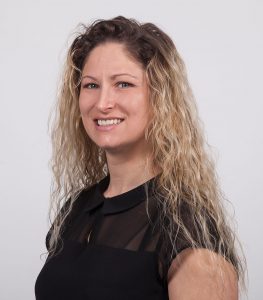 I’m definitely a country girl. I didn’t grow up in an actual town, village or hamlet. It was more like the middle of somewhere along Highway 28, surrounded by trees. Many thanks goes to my high school art teacher, Mr. Edwards, for inspiring me to choose this career path. With the realization that I actually could create art for a living, college lured me away from country life to the big city. Kitchener, to be exact, to study Graphic Design & Advertising at Conestoga College. Talk about beginning an adventure and a culture shock! Not staring at people with purple, green or some other wildly coloured hair was a bit of a challenge. City buses (lol thinking back), who knew they only stopped on the same side of the street as the bus stop sign!? Lesson learnt.
You never know unless you try, in my opinion, is a theory to live by. I love learning new things. I love finding solutions. I don’t like to say I can’t do something. I’d rather spend time figuring it out than giving up.
When asked what I do for a living some people just don’t understand when I say I’m a graphic designer. I think I may start telling them I take an idea, combine some letters, some pictures, undos, redos, move it left, right, up down, make it bigger, smaller, a different colour, centre it, no right justify it, make a few more tweaks and adjust it until it’s perfect! The pride and reward of seeing your idea come to life in this career are fascinating. Working in various industries has put my design skills to the test. Barbecue manufactures, storage solutions, beverages and snack foods all have their unique challenges. I even had my own little sign business for a while.
How did I end up here? Well, one day I happened to be searching the internet for my next graphic design adventure destination and up popped Palmer Marketing. Strangely enough the small town that was close by where I grew up was called Palmer Rapids. Hmm, coincidence or fate? I clicked the link and discovered a fun looking, talented, friendly bunch of people. The best part, these people do what I love to do in yet another industry providing a new set of unique challenges. I think it might have been fate or maybe it was applying my, you never know unless you try theory. I contacted PM and here I am taking an idea, moving it left, right, up down, making it, bigger, smaller, different colours, combining it with letters and pictures until it’s perfect and loving every minute.
Life’s adventures are all around us, you just have to grab onto them. While my city life certainly has it’s advantages, adventures and opportunities I’ll always be a country girl. There’s nothing quite like getting out on the four wheeler to travel some back country trails only to find yourself ripping through a glorious mud bog. Who can resist the quiet calm of a summer night by the bon fire that’s only interrupted periodically by the addition of More Gas causing massive flames! Or the delightful bragging rights when I catch a bigger bass than my husband. Oh don’t laugh too hard, he’s one up on me now with a bigger deer. Maybe next year I’ll settle the score or raise the bar a little higher. When snowmobile season is just around the corner, you can bet I keep an eye to the sky for those heavenly flakes of snow to come pelting down.
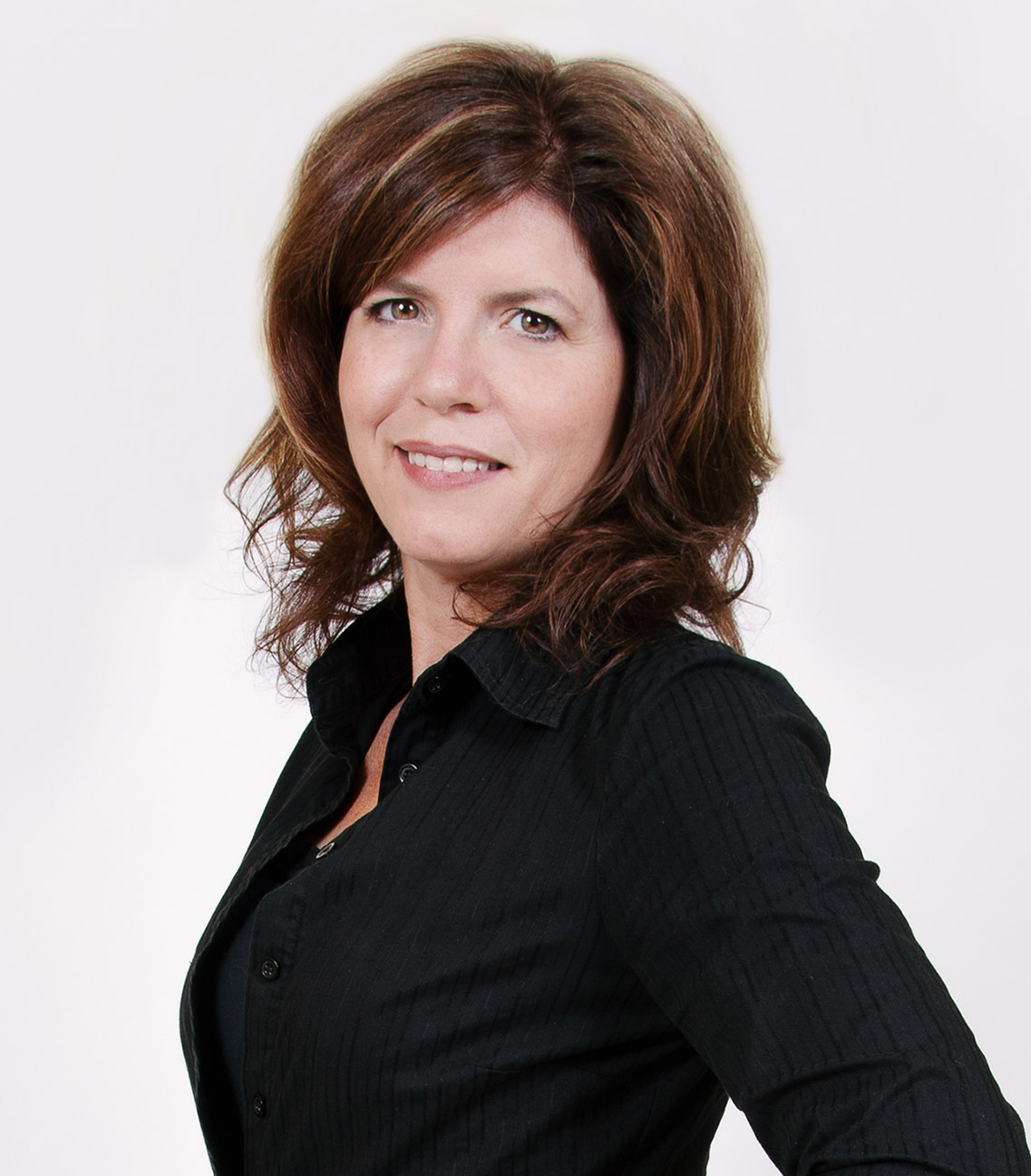 I have always been a creative person. The thrill to create a concept, present an idea or offer a solution is what I have done for most of my career. Sales and Marketing has always been my forte, perhaps for my love of meeting new people, good listening skills and positive energy has brought me much success.
It has now been over 15 years that I have worked in the corporate world and have been exposed to so many different business verticals. As a consultant with the Hotel industry, I did extensive internet market research, print ads and successfully converted them to an online printing service. While working with a 3D software company, I was exposed to the power of technology and how huge media effects business everyday. My recent introduction to the entertainment industry has brought me production and story building experience and has got my mind racing. Lastly, I was the owner and creator of in a box gift company and serviced corporate clients with awards and employee recognition programs.
I love my job, our clients and being part of a fun and creative team!
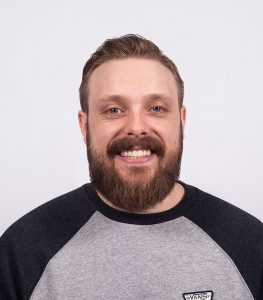 To say the apple doesn’t fall far from the tree would be an understatement in my family; at least when it comes to picking a career path. There isn’t a person in my immediate family that hasn’t at some point or another worked in the IT field. I guess there’s something in our DNA that pulls us towards computers.
When I’m not battling my way through heaps of code I spend the majority of my down time exploring other creative endeavours. Playing and learning music has hobby of mine since high school, and I always jump at the chance to get some jam time in with friends and family.
//work motto
if (tired() === true) {
tired().stop();
getCoffee();
}
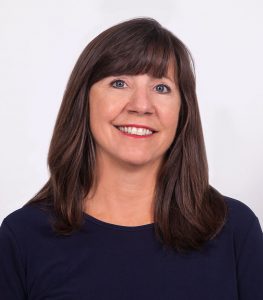 I am the 8th of 9 children raised in Essex County outside of Windsor, Ontario. We lived on a gravel road, no sidewalks and our greatest adventures were in our own backyard. I still have friends I made in grade 1 and continue to stay in touch today. After graduating from the University of Windsor with a Bachelor of Commerce degree, I moved to the big city of Toronto and have worked most of my career in the printing industry. I got to know the folks at Palmer Marketing as a key supplier to them for over a decade.
I joined the PM team in early 2012 and I’ve learned a lot about the creative process and what makes it work. My administrative and management history helps keep things flowing and my extensive print background has proved very useful here…
 I started Palmer Marketing at age 34 in January of 1988. I had 2 kids in diapers and a crazy idea about running my own company. I came from an entrepreneurial family and had no good reason to believe it wasn’t possible and as it happens, it was.
As I approach retirement age, I have a pretty good grasp of marketing especially within the transportation industry. Over the last few years I have released 4 music albums of original material. The success I had in business helped me fulfill this childhood dream.
We have an eclectic young crew, all with talent well developed beyond what I started with. Still, if you have desire and stick with it, cool things can happen. I very much enjoy the strategy and set-up of a marketing initiative. Seeing ideas in their infancy blossom to well thought out and executed completion is still as rewarding as ever. Who knows, maybe I’ll hang in here a little longer!